




The Daily AI Ledger – Making the Future Familiar.
- #1: SAP wants AI agents to run the office
- #2: OpenAI’s Daybreak: A digital immune system
- #3: Intelligence factories need power
- #4: S&P Global’s energy agents: faster risk analysis
- #5: Space Force and the new cyber high ground
- #1: SAP wants AI agents to run the office
- #2: OpenAI’s Daybreak: A digital immune system
- #3: Intelligence factories need power
- #4: S&P Global’s energy agents: faster risk analysis
- #5: Space Force and the new cyber high ground
AI is no longer just answering questions. It is beginning to operate inside the systems that run companies, cybersecurity, energy, finance, and defense. Today’s Daily AI Ledger tracks five stories that show the same shift: AI is moving from the chat window into the machinery of the real world.
The KODA8 Glossary:
- The Manual Tax: The boring busy-work—like data entry, chasing approvals, or moving information between systems—that AI can now help reduce.
- Sovereign Logic: Your ability to stay in charge of the machine, make the big decisions, and use AI without becoming dependent on it.
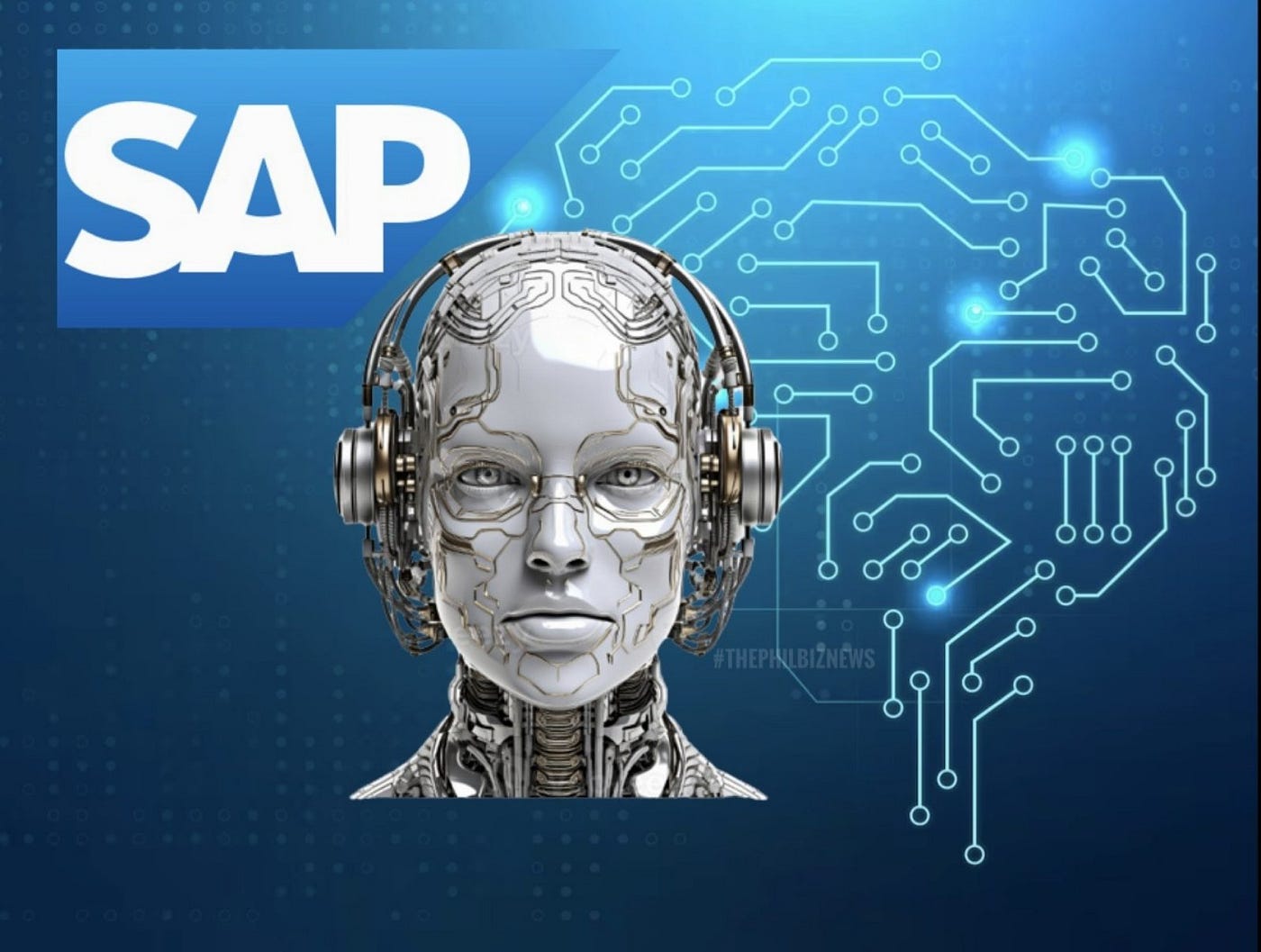
#1: SAP wants AI agents to run the office
At its flagship Sapphire event, SAP announced a hard turn toward the “Autonomous Enterprise,” revealing an infrastructure of 224 specialized AI agents and 51 assistants designed to automate routine business workflows across finance, HR, and supply chains.
- Source: SAPinsider – Sapphire 2026 Analysis
- Your Job: If your day is spent moving data between systems, chasing approvals, or building routine reports, AI is coming for the repetitive part of that work. Your value moves toward understanding the workflow, checking the AI, and making the final call.
- Your Business: Large corporations are getting these tools first, but small businesses will not be far behind. The winners will be the ones that remove paperwork drag without losing human judgment.
- Your Kids: The old entry-level office job is changing. Young people need to learn how businesses actually work and how to supervise automated workflows, not just how to use software tools.
- Bottom Line: AI is moving from the chat window into the back office.
#2: OpenAI’s Daybreak: A digital immune system
OpenAI officially launched Daybreak, a cybersecurity initiative that pairs its GPT-5.5 models with a coding harness to automatically review code, model threats, and test software patches before code is deployed.
- Source: The Hacker News – OpenAI Daybreak Launch
- Your Money: If banks, apps, and payment platforms use tools like this well, they may be able to find software flaws faster—before attackers can exploit them.
- Your Privacy: These tools need deep access to repositories and code. A major question moving forward is how well security agents can protect systems without exposing too much sensitive user data.
- Daily Life: Over time, this shifts the advantage to cyber defenders, potentially leading to faster security patches and fewer preventable system outages.
- Bottom Line: Cybersecurity is moving from reacting to fires toward preventing them at machine speed.
#3: Intelligence factories need power
The AI boom is putting intense new pressure on America’s energy infrastructure. Interior Secretary Doug Burgum reframed AI data centers as “manufacturing intelligence,” arguing that federal permitting must treat data center power requirements as a national security priority.
- Source: Broadband Breakfast – AI Boom & Energy Permitting
- Your Money: Energy, utilities, and grid infrastructure are becoming increasingly critical to the underlying cost of running the AI economy.
- Your Job: If AI demand keeps rising, expect expanding professional opportunities around energy production, grid upgrades, data-center construction, and utility permitting.
- Daily Life: Over time, consumers may see more homes adopting AI-managed energy tools that automatically shift heavy power usage away from peak hours to help control bills.
- Bottom Line: The AI boom is not just about software. It is about electricity and infrastructure.
#4: S&P Global’s energy agents: faster risk analysis
S&P Global Energy launched HorizonsAgents, a suite of four specialized AI tools built to turn massive volumes of unstructured energy and sustainability data into audit-ready insights for banks and project developers.
- Source: S&P Global – HorizonsAgents Launch
- Your Money: Investors may get faster, clearer visibility into infrastructure and energy risks—though superior data does not eliminate inherent market risk.
- Your Business: Companies will be able to prepare sustainability and risk-exposure documentation much faster, reducing the time required for regulatory compliance.
- Daily Life: Over time, tools like this make it harder for corporations to obscure weak environmental or supply-chain claims behind vague marketing language.
- Bottom Line: In finance, AI is turning weeks of raw research into rapid decision support.
#5: Space Force and the new cyber high ground
At Space Force IT Day, military leaders and defense contractors focused on how data systems, AI, and cybersecurity must integrate to support space operations, warning that orbital communications are becoming a major front on the cyber battlefield.
- Source: AFCEA International – Space Force IT Day 2026
- Your Kids: Space operations, data systems, and cybersecurity are rapidly converging into highly technical career paths for the next generation.
- Your Privacy: Smarter, automated satellite arrays and integrated data grids raise long-term questions regarding public privacy and surveillance infrastructure.
- Daily Life: The ultimate goal of this orbital defense shift is resilience—ensuring that global navigation (GPS) and cell networks remain online even during a major conflict or outage.
- Bottom Line: The systems we rely on from space are becoming more digital, more intelligent, and more contested.
The bottom line: AI is entering the operating layer of the economy. The winners will not be the people who ignore it or blindly trust it. The winners will be the people who know which work to automate, which decisions to keep human, and how to protect their data while the systems around them become more autonomous.
Powered by theGLOBALMARKET.AI — Making the Future Familiar.The Daily AI Ledger
Making the Future Familiar.
AI is no longer just answering questions. It is beginning to operate inside the systems that run companies, cybersecurity, energy, finance, and defense. Today’s Daily AI Ledger tracks five stories that show the same shift: AI is moving from the chat window into the machinery of the real world.
The KODA8 Glossary:
- The Manual Tax: The boring busy-work—like data entry, chasing approvals, or moving information between systems—that AI can now help reduce.
- Sovereign Logic: Your ability to stay in charge of the machine, make the big decisions, and use AI without becoming dependent on it.
#1: SAP wants AI agents to run the office
At its flagship Sapphire event, SAP announced a hard turn toward the “Autonomous Enterprise,” revealing an infrastructure of 224 specialized AI agents and 51 assistants designed to automate routine business workflows across finance, HR, and supply chains.
- Source: SAPinsider – Sapphire 2026 Analysis
- Your Job: If your day is spent moving data between systems, chasing approvals, or building routine reports, AI is coming for the repetitive part of that work. Your value moves toward understanding the workflow, checking the AI, and making the final call.
- Your Business: Large corporations are getting these tools first, but small businesses will not be far behind. The winners will be the ones that remove paperwork drag without losing human judgment.
- Your Kids: The old entry-level office job is changing. Young people need to learn how businesses actually work and how to supervise automated workflows, not just how to use software tools.
- Bottom Line: AI is moving from the chat window into the back office.
#2: OpenAI’s Daybreak: A digital immune system
OpenAI officially launched Daybreak, a cybersecurity initiative that pairs its GPT-5.5 models with a coding harness to automatically review code, model threats, and test software patches before code is deployed.
- Source: The Hacker News – OpenAI Daybreak Launch
- Your Money: If banks, apps, and payment platforms use tools like this well, they may be able to find software flaws faster—before attackers can exploit them.
- Your Privacy: These tools need deep access to repositories and code. A major question moving forward is how well security agents can protect systems without exposing too much sensitive user data.
- Daily Life: Over time, this shifts the advantage to cyber defenders, potentially leading to faster security patches and fewer preventable system outages.
- Bottom Line: Cybersecurity is moving from reacting to fires toward preventing them at machine speed.
#3: Intelligence factories need power
The AI boom is putting intense new pressure on America’s energy infrastructure. Interior Secretary Doug Burgum reframed AI data centers as “manufacturing intelligence,” arguing that federal permitting must treat data center power requirements as a national security priority.
- Source: Broadband Breakfast – AI Boom & Energy Permitting
- Your Money: Energy, utilities, and grid infrastructure are becoming increasingly critical to the underlying cost of running the AI economy.
- Your Job: If AI demand keeps rising, expect expanding professional opportunities around energy production, grid upgrades, data-center construction, and utility permitting.
- Daily Life: Over time, consumers may see more homes adopting AI-managed energy tools that automatically shift heavy power usage away from peak hours to help control bills.
- Bottom Line: The AI boom is not just about software. It is about electricity and infrastructure.
#4: S&P Global’s energy agents: faster risk analysis
S&P Global Energy launched HorizonsAgents, a suite of four specialized AI tools built to turn massive volumes of unstructured energy and sustainability data into audit-ready insights for banks and project developers.
- Source: S&P Global – HorizonsAgents Launch
- Your Money: Investors may get faster, clearer visibility into infrastructure and energy risks—though superior data does not eliminate inherent market risk.
- Your Business: Companies will be able to prepare sustainability and risk-exposure documentation much faster, reducing the time required for regulatory compliance.
- Daily Life: Over time, tools like this make it harder for corporations to obscure weak environmental or supply-chain claims behind vague marketing language.
- Bottom Line: In finance, AI is turning weeks of raw research into rapid decision support.
#5: Space Force and the new cyber high ground
At Space Force IT Day, military leaders and defense contractors focused on how data systems, AI, and cybersecurity must integrate to support space operations, warning that orbital communications are becoming a major front on the cyber battlefield.
- Source: AFCEA International – Space Force IT Day 2026
- Your Kids: Space operations, data systems, and cybersecurity are rapidly converging into highly technical career paths for the next generation.
- Your Privacy: Smarter, automated satellite arrays and integrated data grids raise long-term questions regarding public privacy and surveillance infrastructure.
- Daily Life: The ultimate goal of this orbital defense shift is resilience—ensuring that global navigation (GPS) and cell networks remain online even during a major conflict or outage.
- Bottom Line: The systems we rely on from space are becoming more digital, more intelligent, and more contested.
The bottom line: AI is entering the operating layer of the economy. The winners will not be the people who ignore it or blindly trust it. The winners will be the people who know which work to automate, which decisions to keep human, and how to protect their data while the systems around them become more autonomous.
Powered by theGLOBALMARKET.AI — Making the Future Familiar.